



Article: Horsehoes and Happenstance - The Horsemens Superstition
Horsehoes and Happenstance - The Horsemens Superstition
Of Horses and happenstance
As Halloween comes around once again, it seems fitting to delve into the peculiar world of equestrian folklore and superstition. With Swaine's equestrian history dating back to 1798, and King George III among its early patrons, we thought it only proper to share a few of the stranger beliefs that have accompanied horses and their owners over the centuries. Horses have long been the subject of curious superstitions, from troublesome fairies to witches with a penchant for midnight riding.
What's in a Name?
Quite a lot, apparently.
According to an old equestrian superstition, renaming a horse is considered terribly unlucky. Once purchased, a horse ought to keep its given name, unless, of course, it is an unnamed foal.
There may have been some practical sense behind this belief. In the days of handwritten records, changing a horse's name could cause all manner of confusion over ownership, breeding and racing history. An administrative nightmare, and presumably enough to make anyone superstitious.
Thankfully, record-keeping has improved somewhat since then, although one suspects the traditionalists remain unconvinced.
A Spot of Trouble with Green
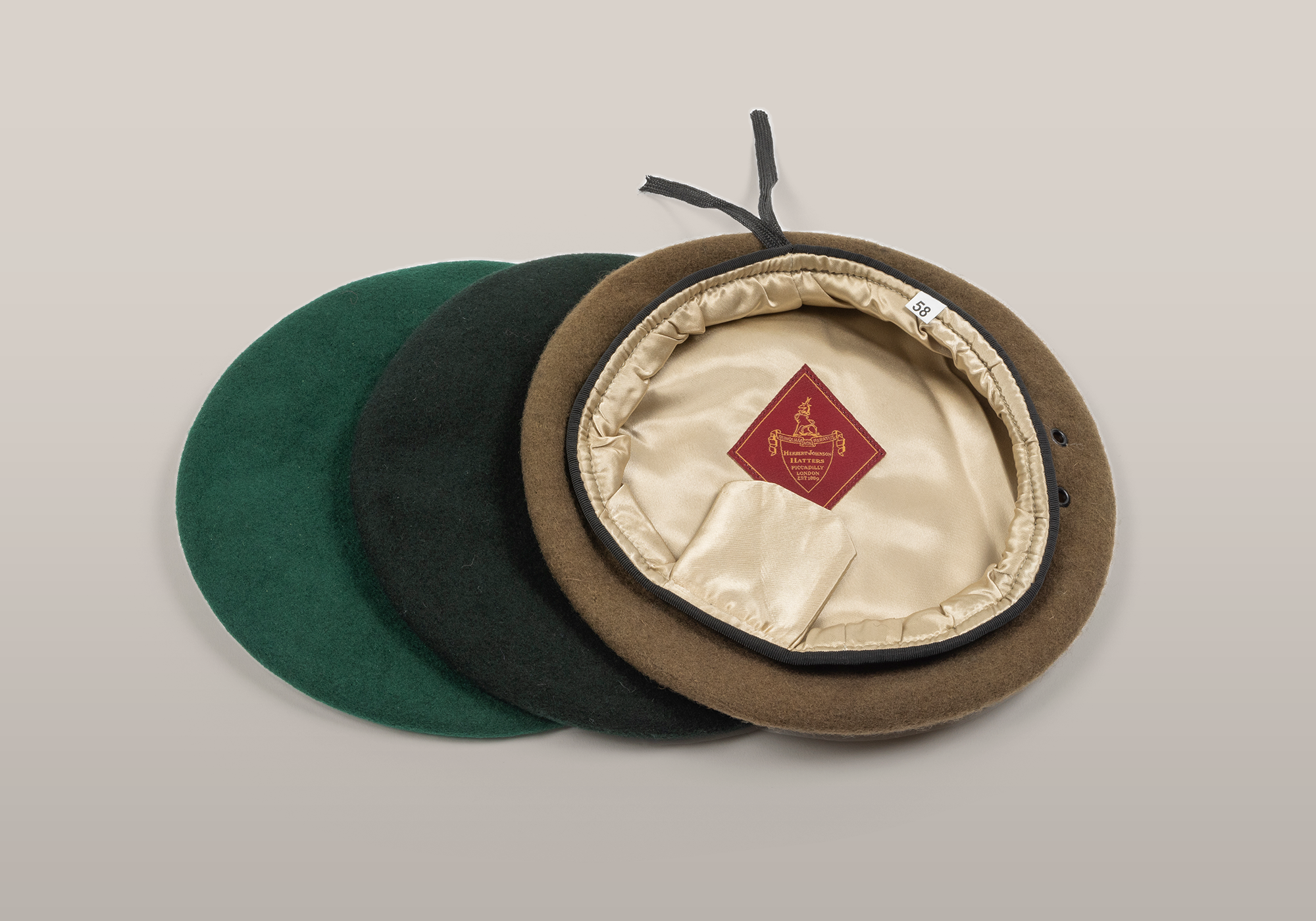
Should you arrive at a hunt or race meeting dressed in green, you may find yourself tempting fate, at least according to the more superstitious among us.
Much like sailors, horsemen have long considered green an unlucky colour. Even a green handkerchief at the races was once thought to invite misfortune.
The colour also has a rather unfortunate reputation in British folklore. Green was said to belong to the fairies, who took a dim view of mortals borrowing their favourite shade. Offending the fairies was generally considered unwise, given their fondness for causing trouble.
Something to bear in mind before reaching for the green tweed.
Hands Off the Butter
We can all be protective of our butter. There are few things more upsetting than a warm crumpet without a generous helping of the stuff.
Fortunately, folklore offers a solution.
It was once believed that placing the horseshoe of a two-year-old filly inside a butter churn would prevent witches and pixies from meddling with its contents. Without this precaution, the little blighters might spoil the butter or prevent it from forming altogether.
Quite why witches and pixies took such an interest in dairy produce is anyone's guess, but clearly they had excellent taste. For those who take their breakfast seriously, it might be worth keeping a spare horseshoe handy.
A Bad Hair Day
Anyone who has spent time around horses will know that a perfectly tidy mane can become a tangled mess overnight.
Folklore, however, offers a more entertaining explanation than a horse having a good roll. According to old superstition, witches and pixies were known to borrow horses for midnight excursions, using their manes as reins or stirrups. The unfortunate horse would be returned by morning, exhausted and sporting a hairstyle that left much to be desired. This was known as hag riding.
To prevent such outings, some traditions recommended plaiting the mane with an even number of plaits, apparently enough to discourage supernatural joyriders. One can only assume witches were particular about their arithmetic.
Four White Feet and You're Out
An old equestrian rhyme offers some questionable advice when purchasing a horse.
One white foot, buy him;
Two white feet, try him;
Three white feet, be wary;
Four white feet, pass him by.
Quite what a horse's white socks have to do with its character remains a mystery. There is, of course, no evidence that the number of white feet determines a horse's temperament or ability. In fact in more recent years, four socks and a bit of symmetry is desirable. Still, the rhyme has survived generations, proving that horsemen have never been short of opinions when it comes to selecting a suitable mount.
Keeping the Devil at the Door
We could hardly discuss equestrian superstitions without mentioning the horseshoe above the doorway. The tradition is often linked to Saint Dunstan, a tenth-century blacksmith who later became Archbishop of Canterbury.
According to legend, the Devil paid Dunstan a visit and requested a new shoe for his hoof. Dunstan, recognising his rather unpleasant customer, nailed a red-hot horseshoe directly onto it. Understandably, the Devil was less than pleased.
Dunstan agreed to remove the offending shoe only after extracting a promise that the Devil would never enter a house displaying a horseshoe above its door. The arrangement appears to have stuck, and horseshoes have been hung above doorways for good fortune and protection ever since.
There remains some disagreement over whether the ends should point upwards to catch good luck or downwards to shower it upon those passing beneath. Either way, it seems a small price to pay for keeping the Devil off the premises.
A Little Horse Sense
Given how heavily our ancestors relied upon horses for travel, work and their livelihoods, it is hardly surprising that so many beliefs arose around keeping them safe. Some were sensible precautions dressed up as superstition, while others involved an extraordinary number of witches, fairies and missing dairy products.
With Swaine's longstanding ties to the equestrian world, we thought Halloween provided the perfect excuse to revisit a few of these curious customs. So, as October draws to a close, do keep an eye on your horse's mane, think twice before wearing green and, above all, guard your butter.
You never know who might be after it.